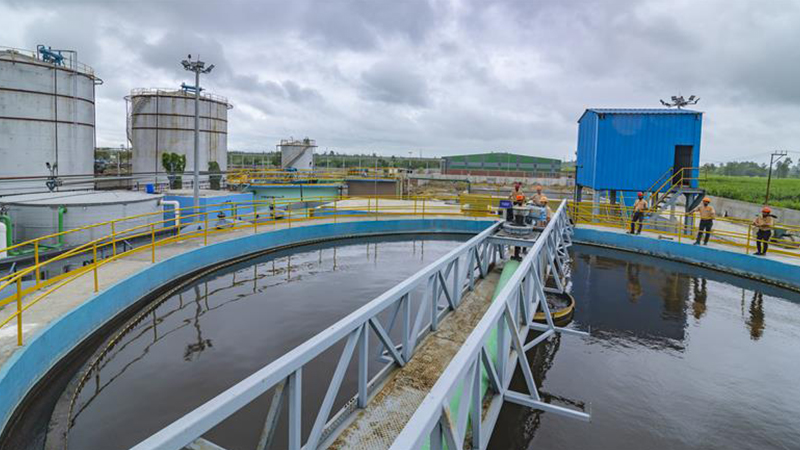
Water is one of the most critical natural resources for agro-based industries, particularly for those involved in sugarcane processing and bio-energy production. From cultivation and crushing to fermentation, cooling, cleaning, and power generation, every stage of the value chain depends on reliable and sustainable water availability. At the same time, increasing pressure on groundwater, changing rainfall patterns, and rising regulatory expectations are compelling industries to rethink how water is sourced, used, treated, and conserved.
At DBO (Dhampur Bio Organics), water conservation is approached not merely as a compliance requirement, but as a core element of responsible operations and long-term sustainability. Through a combination of process optimisation, advanced wastewater treatment, recycling, and community-focused initiatives, the company is committed to reducing freshwater dependence, improving water efficiency, and supporting the resilience of local water ecosystems. This structured approach to water stewardship reflects our value system, which is focused on sustainable growth in agro-processing and built on the careful management of every drop.
Why Water Conservation Matters in Agro-Based Industries
From crop cultivation to processing and energy generation, agro-based industries depend heavily on water at every stage of their operations. In sectors such as sugar and bio-energy, water is required for multiple purposes, making efficient management essential for both operational continuity and environmental responsibility.
Here’s why water conservation is a critical priority for agro-based industries:
High Water Demand Across Farming and Factory Operations
Large volumes of water are needed not only to grow crops such as sugarcane but also to run factories that process them. From irrigation and cane crushing to fermentation, cooling, and equipment cleaning, water supports every key activity. This makes overall demand high, especially during peak production seasons.
Increasing Stress on Freshwater and Groundwater Sources
In many regions, groundwater is the main source of water for both agriculture and industry. Irregular rainfall, growing food demand, and expanding cities are putting extra pressure on these limited reserves. Reducing freshwater usage and making better use of recycled water have therefore become essential.
Need for Environmentally Responsible and Regulation-Compliant Practices
Water conservation today is not just about using less. It also involves treating wastewater safely, reusing it wherever possible, regularly monitoring consumption, and meeting environmental standards set by pollution control authorities and statutory regulators. These practices help protect natural water bodies, ensure compliance with environmental laws, and support long-term sustainability.
Effective water stewardship supports not only environmental protection and reliable operations, but also community well-being and alignment with evolving ESG expectations.
Understanding Water Use in Sugar and Bio-Energy Operations
In integrated sugar and bio-energy facilities, water plays a central role across almost every stage of production, from handling raw sugarcane to running complex processing and utility systems. Because these operations are continuous and large-scale, water becomes one of the most important resources for maintaining efficiency, product quality, and plant hygiene.
To understand why conservation is essential, it helps to first look at how water is sourced and used across the production cycle:
Freshwater and Internally Generated “Produced Water”
Sugarcane naturally contains a high amount of moisture. During crushing and processing, this water is released and can be recovered as an internal source, commonly referred to as “produced water”. When properly treated, it can be reused for suitable industrial applications, helping reduce dependence on external freshwater or groundwater sources.
Key Operational Areas Where Water is Used
Water is required at multiple stages of operation, including cane washing and juice extraction, fermentation and distillation, cooling towers and boilers, power generation, equipment cleaning, sanitation, and effluent treatment. Together, these activities account for a significant share of overall water consumption in sugar and bio-energy plants.
Balancing Process Requirements with Resource Conservation
Even with internal recovery of produced water, additional freshwater is required to maintain process quality, cooling efficiency, and hygiene standards. This makes it important for agro-processing companies to reduce losses, recover and reuse as much water as possible, and develop closed-loop systems where treated wastewater is safely recycled back into operations.
Understanding these different water flows is a crucial step towards building a structured conservation strategy – one that focuses not only on lowering intake from natural sources but also on strengthening treatment, reuse, and responsible discharge practices across the entire production cycle.
DBO’s Water Stewardship Framework
At DBO, water conservation is addressed through a structured stewardship approach that focuses on reducing freshwater withdrawal, improving internal recovery, and ensuring safe treatment and reuse across operations. This framework integrates technology, monitoring, and regulatory compliance to create a closed-loop, resource-efficient water management system. Here are the key elements of DBO’s water stewardship framework:
1. Reducing Groundwater Dependence
A key priority has been to lower reliance on groundwater by optimising internal water sources and improving process efficiency. Through systematic conservation measures and recycling, the company has achieved a significant year-on-year reduction in groundwater withdrawal, reflecting a shift towards more sustainable sourcing and usage practices.
2. Wastewater Treatment and Reuse Systems
To ensure that water used in operations is safely returned to the process or environment, DBO has invested in advanced treatment infrastructure:
- Sewage Treatment Plants (STPs): Treated water is reused for irrigation and greenbelt development in accordance with regulatory norms.
- Effluent Treatment Plants (ETPs): Multi-stage treatment, including anaerobic and aerobic processes, is used to reduce organic load and improve water quality.
- Condensate Polishing Units (CPUs): These systems enable further purification and recovery of process condensate for reuse in suitable applications.
- Zero Liquid Discharge (ZLD) in distillery operations: Treated effluents are recycled within the plant, while concentrated residues are handled through controlled incineration, ensuring that no untreated liquid effluent is released outside the facility.
3. Process Water Recovery and Monitoring
Continuous improvement in water efficiency is supported through:
- Recovery and reuse of condensate and treated process water
- Closed-loop circulation in cooling and utility systems
- Periodic water audits to track consumption, losses, and reuse levels
- Performance monitoring to identify opportunities for further reduction and optimisation
Together, these measures form an integrated water stewardship model that aims to minimise freshwater intake, maximise recycling, and ensure responsible discharge, aligning operational needs with long-term environmental sustainability.
Tracking Performance: Water Use and Conservation Data
Measurable outcomes are central to evaluating the effectiveness of any water conservation programme. DBO monitors its water footprint across operations through regular audits and ESG reporting, enabling year-on-year comparison and identification of improvement areas. The following indicators highlight how water use and conservation performance is tracked and assessed over time:
1. Reduction in Groundwater Withdrawal
One of the key indicators of improved water stewardship is the decline in dependence on groundwater over the past three years.
| Parameter | FY 2022–23 (kL) | FY 2023–24 (kL) | FY 2024–25 (kL) |
| Groundwater withdrawal | 7,11,274 | 6,95,307 | 5,31,302 |
This reflects a significant reduction in groundwater usage in FY 2024–25 compared to the previous year, demonstrating the impact of recycling, process optimisation, and internal water recovery initiatives.
2. Produced Water and Total Consumption
Sugarcane processing generates substantial quantities of internally available water, which, when effectively treated and reused, helps offset external water requirements.
| Parameter | FY 2022–23 (kL) | FY 2023–24 (kL) | FY 2024–25 (kL) |
| Produced water | 29,90,781 | 29,15,504 | 24,81,179 |
| Total water consumption | 31,58,083 | 30,80,547 | 22,04,714 |
The downward trend in overall water consumption highlights improved efficiency and greater reliance on internal reuse systems.
3. Water Discharge Management
Treated effluents are managed in line with regulatory standards, with a focus on recycling and controlled discharge.
| Parameter | FY 2024–25 (kL) |
| Total water discharged | 7,15,528 |
| Discharge to surface water | 0 |
| Discharge to groundwater and other approved destinations | Balance after treatment |
Through comprehensive monitoring and transparent reporting, these performance indicators provide a clear picture of how water conservation efforts translate into tangible reductions in freshwater withdrawal and improved resource efficiency across operations.
Water Conservation Beyond Operations: Community and Farm-Level Initiatives
Water stewardship at DBO extends beyond factory boundaries to the surrounding communities and agricultural landscape. Recognising that long-term water security depends on healthy local ecosystems and responsible farming practices, the company supports initiatives that strengthen both natural and community water resources. Key initiatives that reflect our extended commitment to water conservation include:
1. Rejuvenation of Local Water Bodies
Ponds and traditional water structures in nearby villages are restored and maintained to improve rainwater storage, support groundwater recharge, and provide reliable water sources for daily use and irrigation.
2. Access to Safe Water Through Hand Pumps
Through the installation and upkeep of hand pumps, we help strengthen access to potable water in rural communities, reducing dependence on distant sources and supporting basic health and sanitation needs.
3. Plantation and Soil Moisture Conservation
Our plantation and greenbelt development efforts contribute to better soil health and water retention by:
- Improving soil structure and its ability to hold moisture
- Reducing surface runoff and soil erosion
- Supporting natural groundwater recharge through better infiltration
4. Farmer Engagement for Efficient Water Use
Alongside environmental initiatives, DBO works with farmers to promote responsible agricultural practices. This includes encouraging efficient irrigation methods and balanced input use, which help lower water stress on farmlands while maintaining crop productivity.
By integrating community infrastructure, ecological restoration, and on-farm awareness, these initiatives reinforce a holistic approach to water conservation – one that supports both industrial sustainability and the long-term well-being of the regions connected to its operations.
Aligning with ESG Goals and Regulatory Standards
Effective water conservation is closely linked with environmental governance and regulatory compliance. At DBO, water management practices are aligned with both statutory requirements and broader ESG objectives, ensuring that conservation efforts are structured, measurable, and accountable. This alignment is reflected across the following key areas of focus:
1. Compliance with Environmental Norms
All wastewater treatment and reuse systems are designed to meet the standards prescribed by regulatory authorities such as the Uttar Pradesh Pollution Control Board. Treated water from Sewage Treatment Plants and Effluent Treatment Plants is monitored to ensure it is suitable for safe reuse or controlled discharge, reducing the risk of contamination of surface and groundwater sources.
2. Integration with ESG reporting and audits
Water usage, recycling, and discharge data are systematically captured through internal monitoring and third-party audits. This enables:
- Transparent disclosure of water performance
- Tracking of year-on-year improvements
- Identification of areas requiring further efficiency gains
3. Supporting long-term resource resilience
By linking operational water management with ESG goals, the company focuses on:
- Reducing freshwater and groundwater dependency
- Enhancing reuse and recovery rates
- Minimising environmental impact across the value chain
This alignment ensures that water conservation is not treated as an isolated initiative but as an integral part of responsible business conduct, regulatory adherence, and long-term sustainability planning.
The Way Forward: Building a Water-Secure Agro-Industrial Ecosystem
As climate variability, rising demand, and resource constraints continue to reshape the water landscape, long-term sustainability for agro-based industries will depend on how effectively water is conserved, reused, and protected. For integrated sugar and bio-energy operations, this means moving steadily towards closed-loop systems, lower freshwater dependence, and continuous improvement in treatment and recovery technologies.
At DBO, the focus on reducing groundwater withdrawal, strengthening recycling infrastructure, and expanding community-level water initiatives reflects a forward-looking approach to water stewardship. Ongoing investments in process optimisation, monitoring, and environmental compliance are aimed at further improving water efficiency while supporting production reliability and ecosystem balance.
Building a water-secure future also requires collaboration across the value chain, from responsible agricultural practices and community engagement to transparent ESG reporting and regulatory alignment. By embedding water conservation into operational planning and sustainability strategy, agro-industrial organisations can contribute meaningfully to regional water resilience while ensuring that growth remains environmentally responsible and socially inclusive.